
The advent of the Internet has been a blessing and a curse. On the one hand it has given a voice to the voiceless, but on the other hand it has given a megaphone to baseless conspiracy theorists, historical idiot savants and those too lazy to take the time to do real research and check their facts before spreading them all over creation where they are creating serious havoc, by spreading untruths, half truths and misidentified images of historical figures.
We are not a mythical people. Our people are real. We have names and faces and can be easily identified.
We are not a mythical people. Our people are real. We have names and faces and can be easily identified. However, today’s Internet historians are not taking the time to even accurately identify the people they are supposedly honoring.
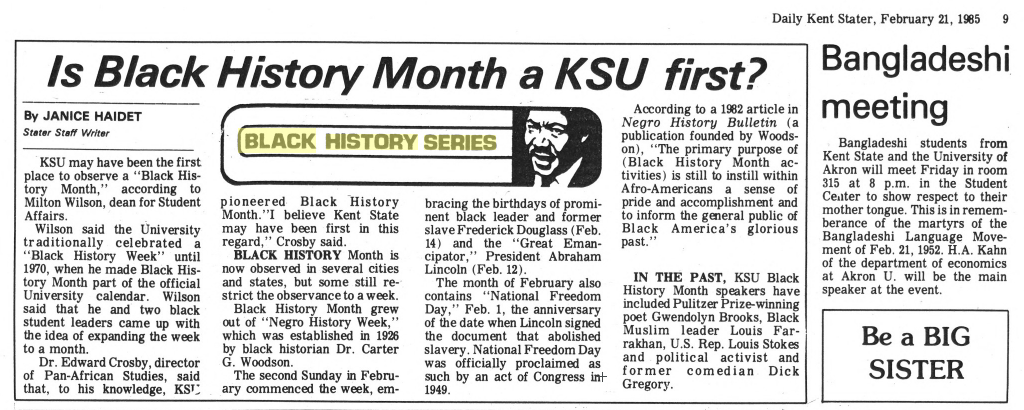
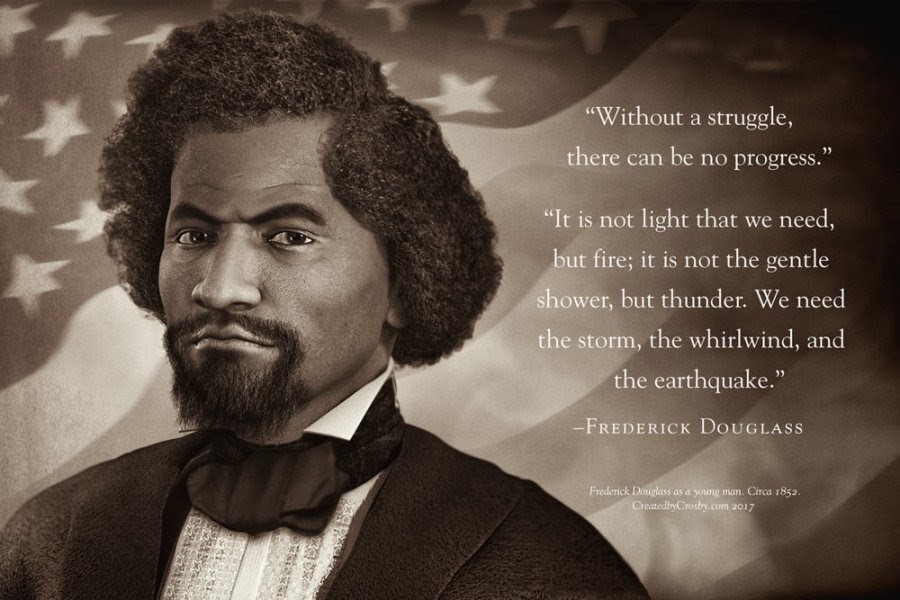
Here are some blatant examples of what I’m talking about. I was in a local public school, where 99% of the students are Black and many of the teachers and staff are also Black. Well, Black History Month comes around and the staff want to do something with the students in this regard, so they have them write about some of our tried and true Black heroes, like Frederick Douglass and Nat Turner.


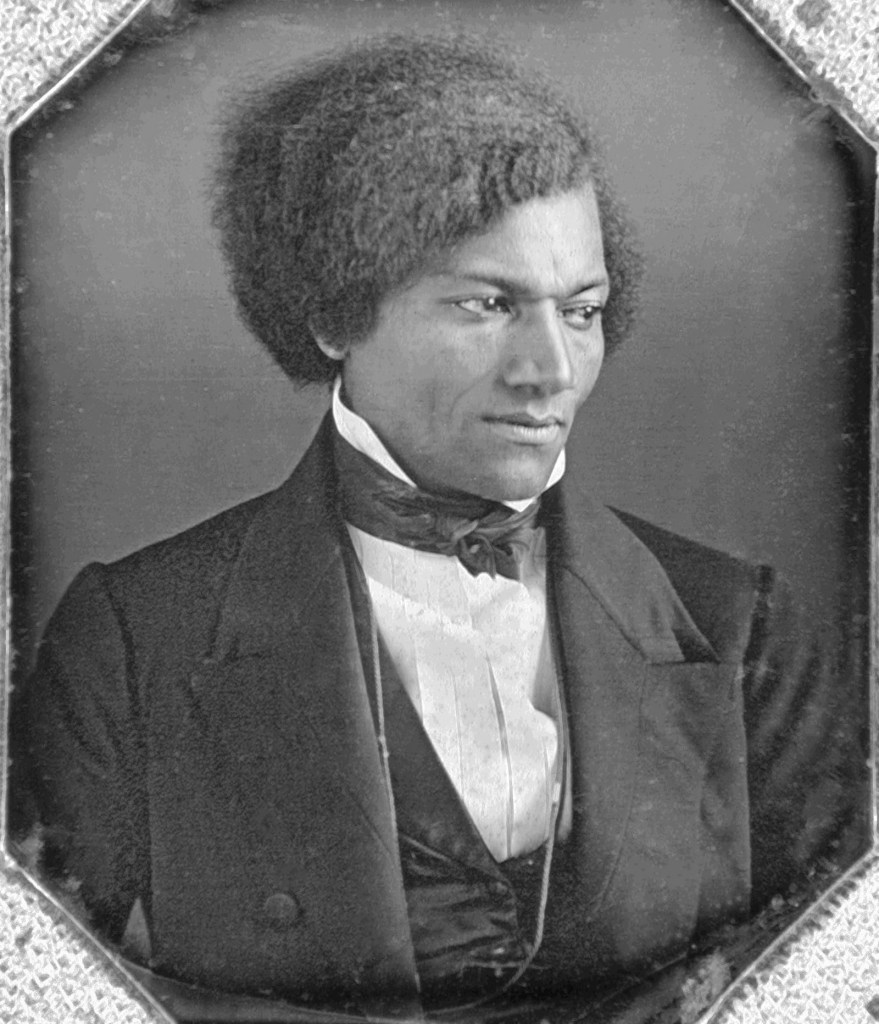
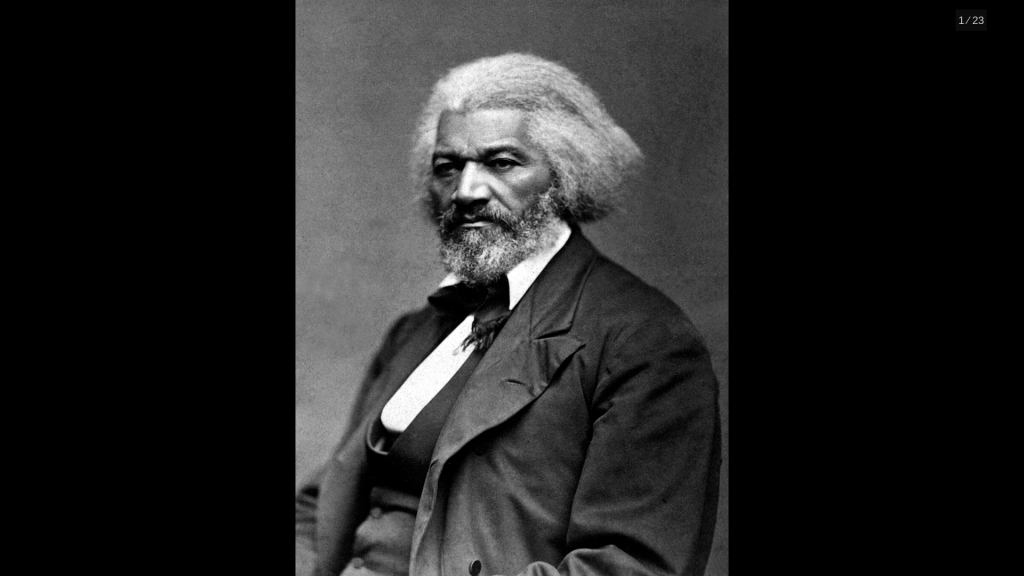
Unfortunately, the children found images online, which were incorrectly labelled and posted 2 images of Frederick Douglass on the wall, which would not have been a bad thing, except one of them was identified as Nat Turner. The adult who was supervising the activity did not realize the error until I pointed it out to them.
The 1st image in the top left corner is an artist’s rendering of Nat Turner prophesying and testifying before the beginning of his insurrection in 1831. All of the other images are studio portraits of Frederick Douglass at various stages of his career.
Again, Nat Turner (1800-1831) lived in a different era than Frederick Douglass (1818-1895), who is one of the most photographed individuals of all time. Keep in mind the daguerreotype process was not invented until 1839, so there are no photos of Nat Turner. The only images we have of him are artist’s renderings, which are totally imaginary, I.e. the AI of their day.
An even more egregious error is the one now being made regarding the 1st President of the United States, under The Articles of Confederation. The man in question is John Hanson (1721-1783), one of America’s founding fathers, but the image being connected with him is a very different John Hanson (1791-1860), one of Liberia, West Africa’s founding fathers. Take a look at the pictures below and see if you can tell the difference between the two.
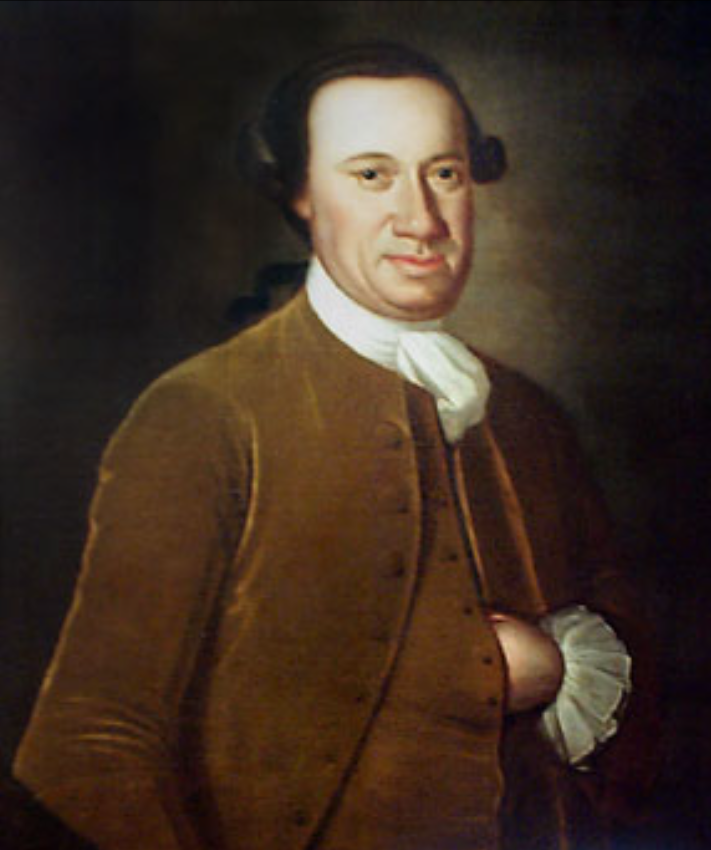
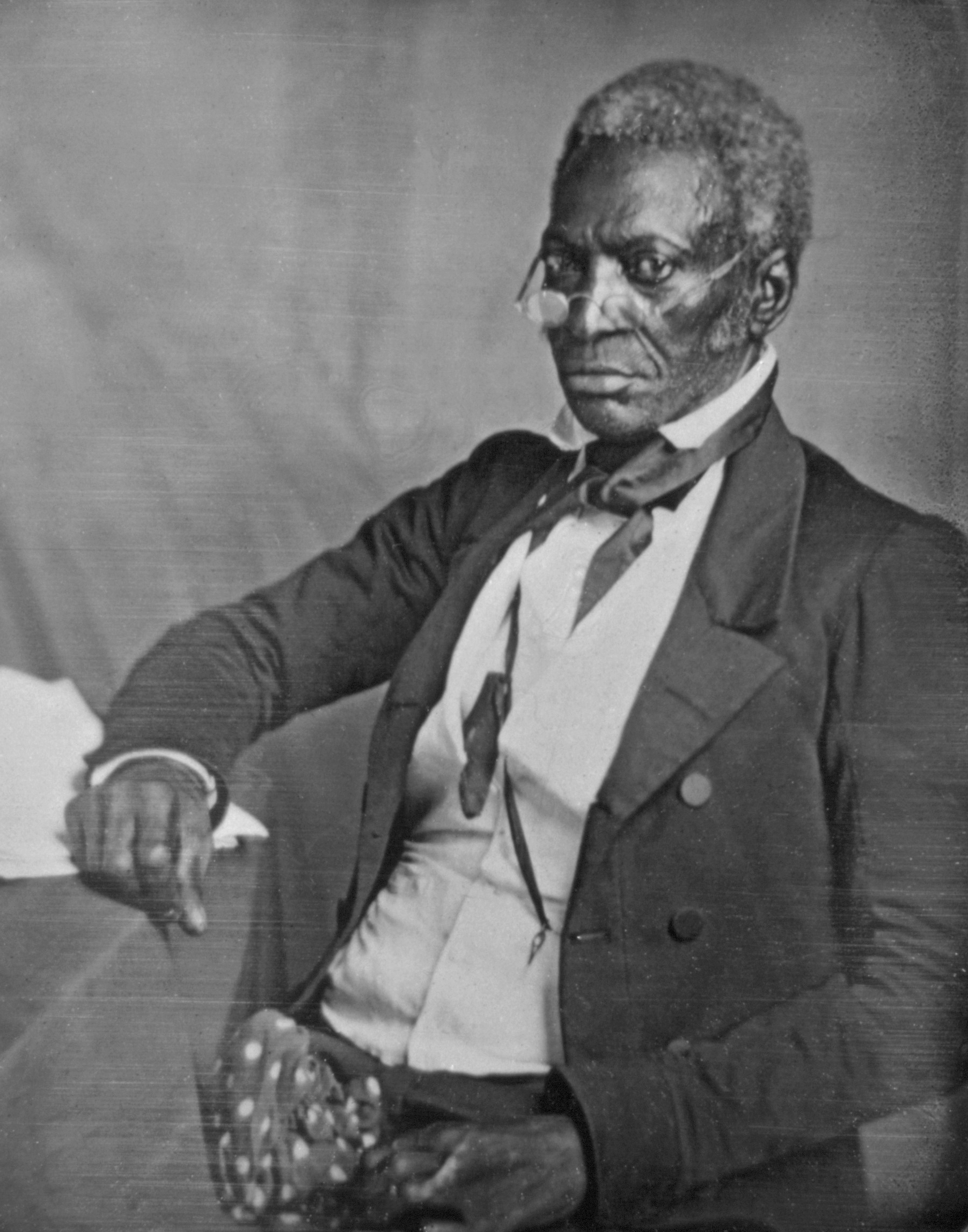
As you look at the 2 images please make note of the fact that the one on the left is an oil painting, while the one on the right is a daguerreotype photo. This is an important fact that helps to date the photos, because the daguerreotype process was not invented and introduced to the world until 1839, nearly 60 years after the death of the American founding father, John Hanson. The Liberian Senator on the right was in the prime of his life when this new way of capturing ones image was introduced, so it made sense for him to have a photo taken, instead of sitting for a traditional portrait.
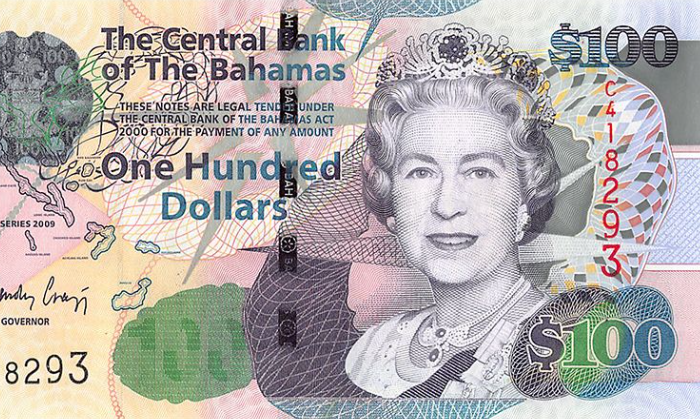
These 2 images are part of a larger story that includes a statement from Dick Gregory about a U.S. President on the back of the dollar bill being Black. Somehow, people mistakenly thought it was John Hanson of the American Confederation, but he was not dark enough, so they substituted the image of John Hanson of Liberia. Fact of the matter is, the image on the back of the dollar bill is a miniature engraving of a life size painting in the U.S. Capitol. Those of us that have been to the Capitol could see details in the painting that cannot be made out in the miniature engraving on the back of the $1 bill, which makes it obvious, the man identified as John Hanson in the painting was not Black enough to clearly identify him as being of African descent.


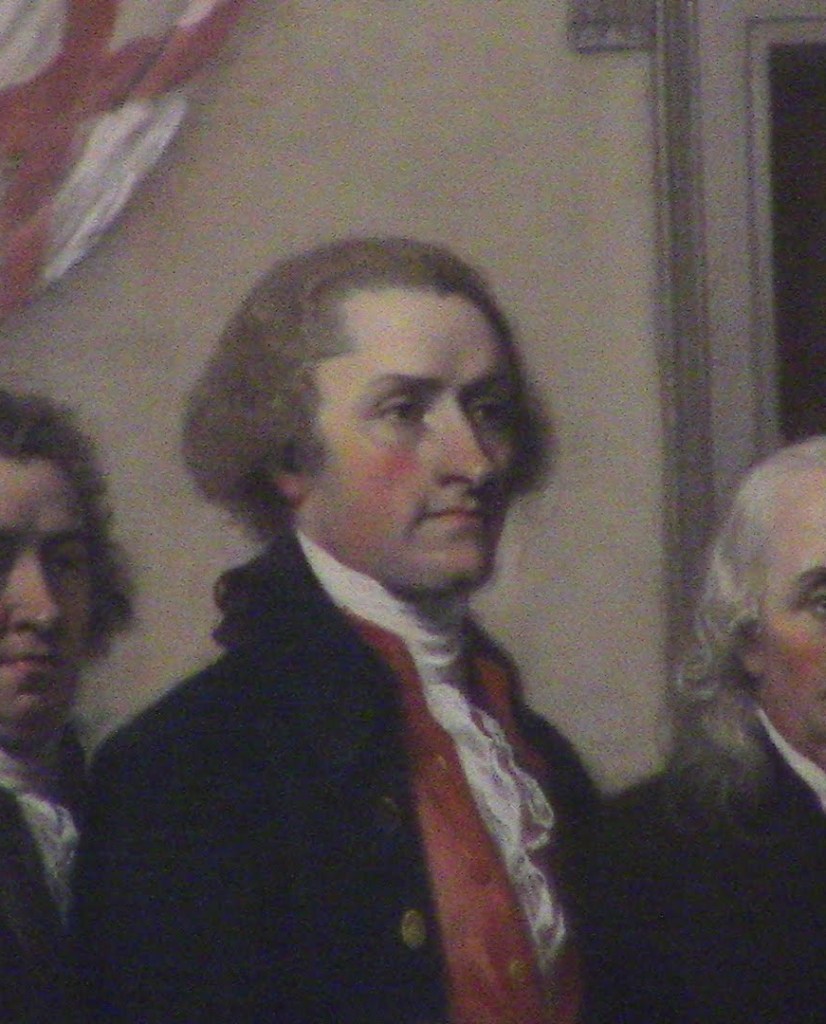

The whole idea of Black U.S. Presidents, before Barack Obama, was promulgated by J. A. Rogers, back in the early 60’s. John Hanson was not one of the named individuals, but there was one person who was named by Rogers and whose image does appear in the painting and on the back of the dollar bill, that’s Thomas Jefferson. I would love to see this idea clarified, but alas there are many who hold onto this mythology surrounding John Hanson and the Articles of Confederation (1781-1789). Clearly, they need to check their facts. The fact that there’s a photograph of the Senator from Liberia is proof positive that he could not have been the President of the United States under The Articles of Confederation, but the mythology persists, because we’re so desperate for “facts” about Black History that we’re willing to accept anything, even if the facts are patently falsified.
All of this has been happening well before AI entered the picture, or Tik Tok Black History became a thing. Now that AI is a thing I’m beginning to see images created that could be who we think they are, except that they’re not. Who’s creating these images and promoting these false facts. Are Black people to blame or are we just unwitting dupes?
Negro Tom (1710-1790), AKA Tom Fuller, the Human Calculator, was a real person, however the images now being proliferated across the Internet are not. Here are just some of the images being used to represent this very real person.


The images above supposedly all represent Negro Tom, AKA Thomas Fuller, the Human Calculator. I’ve been unable to find the original source of any of them. However, the 2nd one is particularly noteworthy, because the man died in 1790, nearly 50 years before photographs were possible. The 3rd one is of note, because Negro Tom was known to be a slave, so his dress is incongruous, as is his hair style, which is more fitting for a young man of today.
Trust, but verify.
Russian proverb
In conclusion, it seems there’s nothing more to say, except “trust, but verify.” There are so many fakes and super fakes out there and most of us have not had the opportunity to study Black History in a classroom setting with someone who actually knows what they’re talking about and even more importantly, what they’re looking at, when these fake images appear on the Internet. Tik Tok is not a trusted site for historical information. Could it be that Tik Tok is called by that moniker, because it’s designed to blow our minds with all the misinformation posted on their servers 24/7? Just something to think about while you Tik Tok!




 Blakfacts Educational Research, Inc.